Most communication is not verbal—it’s non-verbal. Research suggests that a large portion of human communication comes from body language, tone, and facial expressions rather than words alone. That means people are constantly “reading” you, even when you’re not speaking.
Understanding body language gives you a powerful advantage in communication, relationships, and leadership. It helps you not only express yourself better but also read others more accurately.
Let’s break down the hidden signals your gestures may be sending.
1. Your Posture Shows Your Confidence Level
Posture is one of the first things people notice. A straight, open posture signals confidence and presence, while slouched posture often signals uncertainty or low energy.
People naturally trust confident body language more.
Key insight: Your body often speaks before you do.
What to do: Stand or sit upright with relaxed shoulders.
2. Eye Contact Builds Trust or Creates Distance
Eye contact is one of the strongest non-verbal signals. Balanced eye contact shows confidence and honesty, while avoiding it can signal discomfort or lack of trust.
Too much staring, however, can feel aggressive.
Key insight: Eye contact is about balance, not intensity.
What to do: Maintain natural, steady eye contact during conversations.
3. Hand Gestures Add Clarity and Energy
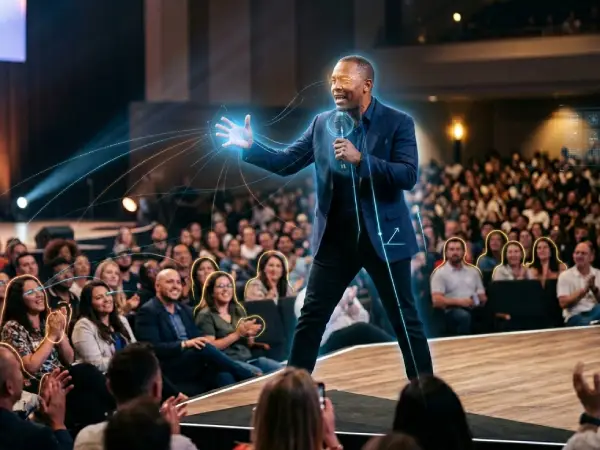
Controlled hand movements help emphasize your message and make you appear more engaged. People who use natural gestures often seem more persuasive and expressive.
But excessive or chaotic movement can reduce clarity.
Key insight: Gestures support meaning when used naturally.
What to do: Use calm, purposeful hand movements while speaking.
4. Crossed Arms Can Signal Defensiveness
Crossed arms are often interpreted as closed-off or defensive body language. While it may simply be comfort, in conversations it can create emotional distance.
Open body posture encourages trust.
Key insight: Closed posture often signals resistance.
What to do: Keep your arms relaxed and open when possible.
5. Facial Expressions Reveal True Emotions
Your face often reveals emotions before you even speak. Micro-expressions like subtle smiles, tension, or raised eyebrows can communicate feelings instantly.
People read faces more than words.
Key insight: Emotions are visible even in silence.
What to do: Stay aware of your facial expressions in conversations.
6. Mirroring Builds Connection
People naturally feel more connected when they mirror each other’s body language. Subtle imitation of posture, tone, or gestures can increase rapport and trust.
This happens naturally in strong relationships.
Key insight: Similarity creates comfort.
What to do: Gently match the other person’s energy and posture.
7. Movement Reflects Emotional State
Fast, restless movements can signal anxiety or impatience, while slow, controlled movements signal calmness and control.
Your physical rhythm influences how others perceive your emotional state.
Key insight: Movement reflects internal state.
What to do: Slow down your gestures when you want to appear composed.
Final Thoughts
Body language is a silent language that speaks louder than words. Whether you are aware of it or not, your gestures constantly shape how others perceive you.
When you understand and control your body language, you gain greater influence, clarity, and confidence in every interaction.
Because in the end,
people don’t just listen to what you say—they observe who you are.