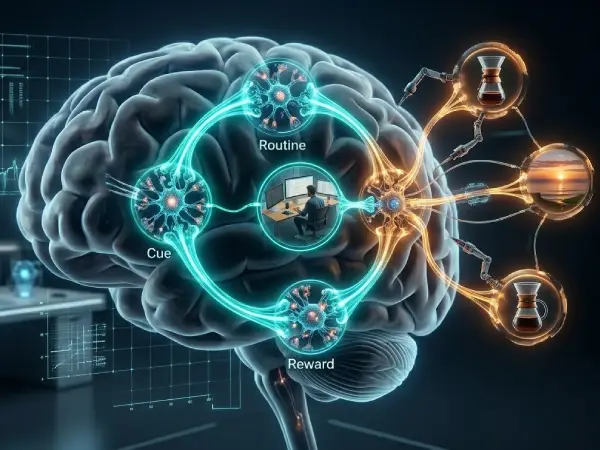
Words are not just tools for communication—they are psychological triggers. The way you phrase something can change how people feel, decide, and respond. In fact, small shifts in word choice can completely alter perception without changing the core message.
This is why some people naturally inspire action, build trust, and influence others—while others struggle to be heard.
Let’s explore the hidden psychology behind word choice and how it shapes influence and motivation.
1. Words Shape Emotional Reactions
The brain doesn’t process language as neutral information—it processes it emotionally. Certain words trigger motivation, while others trigger resistance or disengagement.
For example, “you have to” feels controlling, while “you might consider” feels collaborative.
Key insight: Words trigger emotional responses before logic.
What to do: Choose language that supports cooperation, not pressure.
2. Positive Framing Changes Perception
The same idea can feel completely different depending on how it is framed. Saying “avoid failure” creates fear, while “increase success chances” creates motivation.
Framing influences mindset.
Key insight: Meaning is shaped by framing, not facts alone.
What to do: Focus on positive, solution-oriented language.
3. Simple Words Create Stronger Impact
Complex vocabulary often reduces clarity and emotional connection. Simple language is easier for the brain to process and remember.
Great communicators simplify without losing meaning.
Key insight: Simplicity increases influence.
What to do: Replace complex phrases with clear, direct words.
4. Action Words Drive Motivation
Verbs like “build,” “create,” “start,” and “achieve” activate a sense of movement and possibility. Passive language reduces urgency and engagement.
Action-oriented words trigger momentum.
Key insight: Movement language creates motivation.
What to do: Use active verbs instead of passive descriptions.
5. Personal Language Increases Connection
Words like “you” and “your” make communication feel more direct and relevant. People engage more when they feel personally included in the message.
This increases attention and response.
Key insight: Personalization increases engagement.
What to do: Speak directly to the listener’s situation or experience.
6. Negative Words Carry Stronger Emotional Weight
The brain tends to react more strongly to negative words than positive ones. Words like “failure,” “loss,” or “risk” create stronger emotional impact than neutral terms.
This can be useful—but also risky if overused.
Key insight: Negative language is emotionally powerful.
What to do: Use caution when framing sensitive messages.
7. Timing and Context Amplify Meaning
Even powerful words lose impact if used at the wrong time or in the wrong context. Delivery, tone, and situation shape how words are received.
Influence is not just what you say—it’s when you say it.
Key insight: Context multiplies word power.
What to do: Adapt your language to the emotional state of the listener.
Final Thoughts
Word choice is one of the most underrated tools of influence. It shapes perception, drives emotion, and motivates action—often without people realizing it.
When you understand the psychology behind language, you stop just communicating and start influencing.
Because in the end,
words don’t just describe reality—they shape how reality is experienced.