We live in a world where screens dominate almost every part of life—work, entertainment, communication, and even rest. While technology has made life easier, it has also created one of the biggest productivity killers of modern times: constant digital stimulation.
Notifications, social media, endless scrolling, and information overload keep your brain in a reactive state. The result is scattered attention, reduced focus, and mental fatigue.
A digital detox is not about rejecting technology—it’s about taking control of it instead of letting it control you. And surprisingly, reducing screen time can significantly boost productivity, clarity, and mental energy.
Let’s explore how and why this works.
1. Your Brain Was Not Built for Constant Input
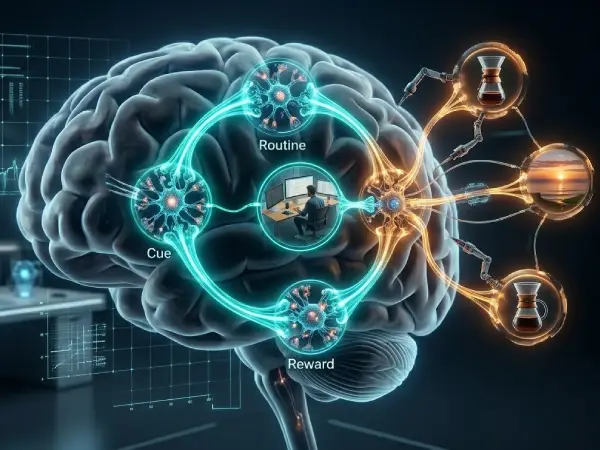
Neuroscience shows that the human brain is designed for periods of focus followed by rest—not nonstop stimulation. Every notification or scroll triggers a small attention shift, pulling your mind away from deep thinking.
Over time, this creates cognitive fragmentation.
Key insight: Too much input leads to shallow thinking.
2. Screen Time Drains Attention Energy
Every minute spent switching apps, scrolling feeds, or reacting to notifications consumes mental energy. Even if it feels “light,” your brain is constantly processing new information.
This leads to attention fatigue, where focusing on important tasks becomes harder.
What to do: Reduce unnecessary screen exposure during work hours.
3. Dopamine Overload Reduces Motivation
Digital platforms are designed to trigger dopamine spikes through likes, videos, and instant content. While this feels rewarding, it lowers your brain’s sensitivity to effort-based tasks.
As a result, real work starts feeling less interesting.
Key insight: Too much digital reward weakens real-world motivation.
4. Silence Restores Deep Focus
When you reduce screen time, your brain enters a quieter state. This allows deeper thinking, better problem-solving, and improved creativity.
Without constant input, your mind starts processing ideas more clearly.
What to do: Schedule screen-free blocks during the day.
5. You Regain Control of Your Attention
Attention is your most valuable mental resource. Digital overload constantly steals it without you noticing.
A digital detox helps you take back control and decide what deserves your focus.
Key insight: Where your attention goes, your productivity follows.
6. Sleep and Recovery Improve Dramatically
Excessive screen time—especially at night—affects sleep quality by overstimulating the brain and delaying rest cycles. Poor sleep directly reduces focus, memory, and decision-making.
Reducing screen exposure improves both sleep depth and recovery.
What to do: Avoid screens at least 30–60 minutes before sleep.
7. Less Screen Time = More Real Output
When distractions decrease, output naturally increases. You spend less time switching tasks and more time completing meaningful work.
This is why even small reductions in screen time often feel like productivity “jumps.”
Key insight: Less distraction creates more execution.
Final Thoughts
A digital detox is not about escaping technology—it’s about using it intentionally. When you reduce unnecessary screen exposure, your mind becomes clearer, calmer, and more focused.
Productivity is not just about working harder. It’s about protecting your attention from constant digital noise.
Because in the end,
your focus determines your output—and your screen often controls your focus.