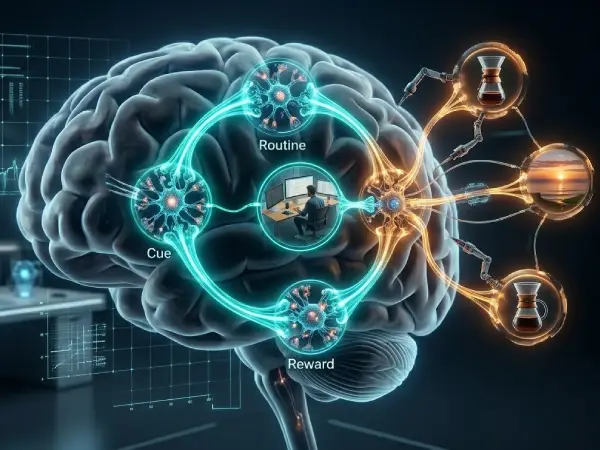
Procrastination is something almost everyone struggles with. You know what needs to be done, you even want to do it—but somehow you end up scrolling, delaying, or distracting yourself instead. It’s not just laziness. In fact, psychology shows procrastination is deeply tied to how your brain handles stress, rewards, and decision-making.
The good news? Once you understand how your mind works, you can rewire your behavior and take back control of your time.
Let’s break down the psychology behind procrastination—and 7 practical tricks to beat it.
Why You Procrastinate (The Real Psychology)
Procrastination happens because your brain prefers instant comfort over long-term reward. When a task feels difficult, your emotional brain (limbic system) pushes you toward something easier or more enjoyable. At the same time, your logical brain knows you should act—but it loses the internal battle.
This creates stress, avoidance, and delay.
So the goal is not just motivation—it’s reducing emotional resistance and making action easier.
1. Use the “5-Minute Start Rule”
The hardest part is starting. Once you begin, your brain builds momentum.
What to do: Commit to just 5 minutes of the task. No pressure to finish.
Most of the time, starting is enough to keep going.
2. Break Tasks Into Micro-Steps
Big tasks feel overwhelming, which triggers avoidance.
What to do: Instead of “write report,” use steps like:
- Open document
- Write heading
- Write first sentence
Small steps reduce mental resistance.
3. Use Dopamine to Your Advantage
Your brain loves rewards. Procrastination often comes from low dopamine motivation.
What to do: Reward yourself after completing small milestones—tea, short break, or a quick walk.
4. Remove Friction From Starting
If a task is hard to start, your environment is working against you.
What to do: Prepare everything in advance:
- Open tabs
- Set tools ready
- Clean workspace
Make starting effortless.
5. Apply the “Future Self” Trick
People procrastinate because future consequences feel distant.
What to do: Visualize your future self dealing with the result of today’s delay—or success.
This strengthens long-term thinking.
6. Use Time Blocking Instead of To-Do Lists
To-do lists don’t create urgency. Time blocks do.
What to do: Assign specific time slots for tasks instead of just listing them.
Example: “3:00–3:30 PM → Write article intro”
7. Reduce Emotional Resistance, Not Just Time
Most procrastination is emotional—not logical. You avoid tasks because they feel boring, difficult, or stressful.
What to do: Ask yourself:
“What emotion am I avoiding right now?”
Then start anyway, even with discomfort.
The Hidden Truth About Procrastination
You don’t fix procrastination by waiting for motivation. Motivation comes after action, not before it.
Your brain is wired to resist effort—but it is also wired to adapt quickly once you start moving. That means small actions create big momentum.
Final Thoughts
Procrastination is not a character flaw—it’s a brain pattern. Once you understand how your psychology works, you can design systems that make action easier than avoidance.
Start small. Start imperfectly. Start now.
Because the fastest way to stop procrastinating is simple:
begin before you feel ready.