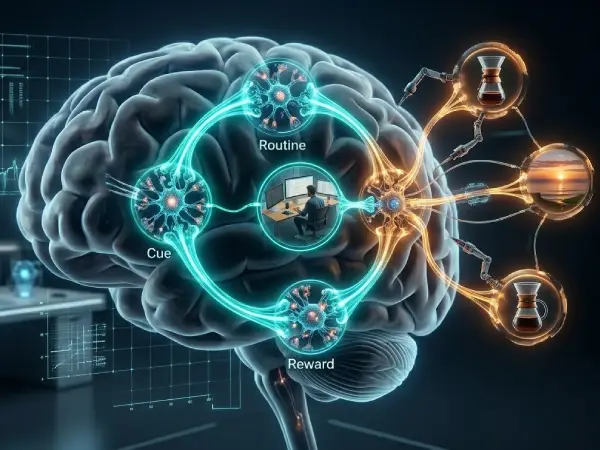
Success is often seen as something reserved for a lucky few—people with special talent, resources, or opportunities. But modern neuroscience tells a very different story. Your brain is not fixed. It is constantly changing, adapting, and rewiring itself based on your thoughts, habits, and environment.
This ability is called neuroplasticity, and it means you can literally train your brain for success. The way you think today is not permanent. With the right mental strategies, you can reshape your mindset, improve your habits, and unlock higher performance in every area of life.
Let’s explore powerful, science-backed neuroplasticity hacks that can help you rewire your brain for success.
1. Shift Your Identity First
Your brain follows identity before behavior. If you see yourself as someone who fails, your actions will align with that belief. If you see yourself as someone who succeeds, your behavior starts changing automatically.
What to do: Replace “I want to be successful” with “I am becoming someone who succeeds every day.” This identity shift rewires how your brain processes decisions.
2. Use Micro-Habits to Build Momentum
Big changes fail because they overwhelm the brain. Small habits, however, are easy to repeat—and repetition is what rewires neural pathways.
What to do: Start ridiculously small. Read one page, write one paragraph, or exercise for just two minutes. Consistency matters more than intensity.
3. Reprogram Negative Thinking Patterns
Your brain strengthens whatever you repeat—positive or negative. Constant self-doubt creates strong mental pathways that limit growth.
What to do: Catch negative thoughts and replace them with realistic positive alternatives. Over time, your brain learns new default patterns.
4. Visualize Your Success Daily
Visualization activates the same brain regions as real experiences. This helps your brain “practice” success before it happens.
What to do: Spend a few minutes daily imagining your goals as already achieved. Focus on emotions, environment, and actions.
5. Embrace Discomfort for Growth
Your brain prefers comfort because it conserves energy. But growth only happens when you step outside familiar patterns.
What to do: Do small uncomfortable things daily—speak up, try new tasks, or take on challenges. This strengthens mental flexibility.
6. Surround Yourself With Growth Triggers
Your environment shapes your brain more than willpower does. People, content, and surroundings influence your habits deeply.
What to do: Spend time with motivated individuals, follow educational content, and reduce exposure to negativity.
7. Use Repetition to Lock in New Wiring
Neural pathways become stronger through repetition. The more you repeat a behavior, the more automatic it becomes.
What to do: Stick to new habits even when they feel slow or difficult. Repetition is what turns effort into identity.
8. Practice Mental Reset Moments
Stress and overload weaken decision-making and slow brain adaptation.
What to do: Take short pauses during the day. Breathe deeply, step away from screens, and reset your mental state.
Why Neuroplasticity Is a Game-Changer
The biggest breakthrough in neuroscience is simple: your brain is not static. Every thought you think and every action you take reshapes your neural structure.
This means your past does not define your future. Your habits do.
Whether you want to improve productivity, build confidence, or achieve financial success, the foundation starts in your brain.
Final Thoughts
Rewiring your brain is not about overnight transformation—it’s about small, consistent changes that compound over time.
Start with identity. Build simple habits. Stay consistent. And most importantly, believe in your ability to change.
Because once you understand neuroplasticity, you realize something powerful:
You are not stuck. You are still being built.