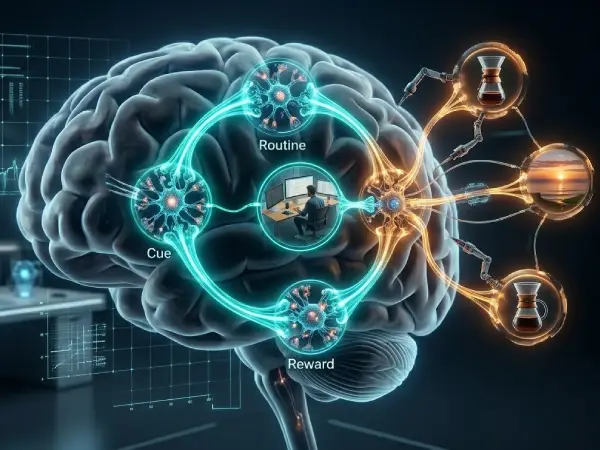
You make decisions every single day—what to eat, what to believe, what opportunities to pursue. It feels like you’re thinking logically, but the truth is more complex. Your brain relies on mental shortcuts, known as cognitive biases, to save time and energy. While these shortcuts can be helpful, they often lead to flawed thinking and poor decisions.
In today’s fast-paced digital world, where information is everywhere, these biases can quietly shape your life without you even noticing. The good news? Once you recognize them, you can take back control.
Let’s explore 10 powerful cognitive biases—and how to overcome them.
1. Confirmation Bias
This bias pushes you to seek information that supports your existing beliefs while ignoring opposing views.
How to overcome it: Make it a habit to explore different opinions, especially ones you disagree with.
2. Anchoring Bias
Your decisions are heavily influenced by the first piece of information you receive.
How to overcome it: Always compare multiple sources before making a judgment.
3. Loss Aversion
You feel the pain of losing more strongly than the joy of gaining, which can lead to overly cautious behavior.
How to overcome it: Focus on long-term rewards instead of short-term fear.
4. Overconfidence Bias
You overestimate your knowledge or ability, which can lead to risky decisions.
How to overcome it: Stay humble and review your past mistakes regularly.
5. Availability Heuristic
You rely on information that comes to mind quickly rather than what is actually accurate.
How to overcome it: Use data and research instead of memory alone.
6. Bandwagon Effect
You tend to follow the crowd, assuming that if others are doing it, it must be right.
How to overcome it: Ask yourself if you would make the same choice independently.
7. Halo Effect
One positive trait influences your overall judgment of a person or situation.
How to overcome it: Break your evaluation into separate factors and assess each one objectively.
8. Sunk Cost Fallacy
You continue investing in something because of what you’ve already spent, even when it no longer makes sense.
How to overcome it: Focus on future value, not past effort.
9. Recency Bias
You give more importance to recent events while ignoring long-term patterns.
How to overcome it: Look at the bigger picture and analyze trends over time.
10. Status Quo Bias
You prefer to keep things the same, even when change could improve your situation.
How to overcome it: Challenge your comfort zone and test new approaches regularly.
Why These Biases Matter More Than Ever
In 2026, your attention is constantly under attack. Social media algorithms, AI-generated content, and endless notifications are designed to reinforce your existing beliefs. This makes cognitive biases even stronger and harder to detect.
For example, confirmation bias is amplified when algorithms show you content you already agree with. The bandwagon effect becomes more powerful when trends go viral overnight. Without awareness, you can easily fall into a loop of poor decision-making.
That’s why understanding these biases is no longer just useful—it’s essential. Whether you’re building a business, making financial decisions, or improving your personal life, clear thinking gives you a real advantage.
Final Thoughts
You can’t completely eliminate cognitive biases—they’re part of being human. But you can reduce their influence by becoming more aware of how your mind works.
Start by slowing down your decisions. Question your assumptions. Look at situations from multiple angles before acting.
Over time, these small changes will lead to better thinking, smarter choices, and stronger results in every area of your life.
Because in the end, the quality of your decisions determines the quality of your future.