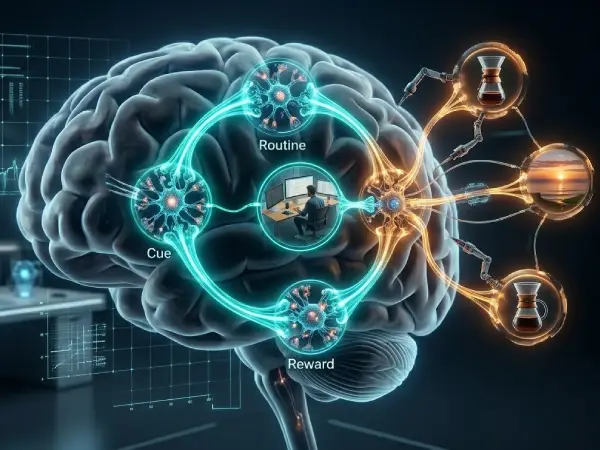
Productivity is often misunderstood. Most people think ultra-productive individuals rely on strict schedules, long to-do lists, or endless motivation. In reality, the biggest difference is not what they do, but how they think.
Highly productive people share specific mental habits that shape how they approach time, energy, and decisions. These habits are not complicated—but they are powerful when practiced consistently.
Let’s break down 5 mental habits that consistently separate high performers from everyone else.
1. They Think in Priorities, Not Tasks
Most people try to do everything on their list. Ultra-productive individuals do the opposite—they focus only on what truly matters.
Instead of asking, “What should I do next?” they ask, “What is the most important thing I can do right now?”
This mental shift removes distraction and forces clarity. It prevents busy work and keeps energy focused on high-impact actions.
How to apply it: Each morning, choose 1–3 priority tasks. Everything else is secondary.
2. They Eliminate Decision Overload
Every decision you make drains mental energy. Productive people protect their decision-making power by reducing unnecessary choices.
That’s why many successful people wear similar clothes, follow routines, or automate small decisions.
Fewer decisions = more mental clarity for important work.
How to apply it: Create simple routines for your mornings, meals, and work setup to reduce daily decision fatigue.
3. They Focus on Systems, Not Motivation
Motivation is unstable—it comes and goes. Productive people don’t rely on it. Instead, they build systems that force consistency.
A system could be a fixed study schedule, a daily writing habit, or a structured workout routine.
This removes the need to “feel ready” before taking action.
How to apply it: Build repeatable systems instead of waiting for motivation to strike.
4. They Protect Deep Focus Like a Resource
Ultra-productive people treat focus like money—it’s limited and valuable. They don’t waste it on constant multitasking or distractions.
They intentionally create time blocks for deep, uninterrupted work.
In a world full of notifications and AI tools competing for attention, focus is the real competitive advantage.
How to apply it: Set at least 1–2 distraction-free focus sessions daily where you do only one important task.
5. They Think Long-Term, Not Emotionally
One of the biggest differences is emotional control. Most people make decisions based on how they feel in the moment. Productive individuals think about long-term outcomes instead.
They understand that discomfort today leads to success tomorrow.
This mindset helps them push through laziness, boredom, and resistance.
How to apply it: Before avoiding a task, ask yourself: “Will this matter in 1 week, 1 month, or 1 year?”
Final Thoughts
Ultra-productivity is not about working more—it’s about thinking differently. When your mental habits change, your actions naturally follow.
Start small. Choose one habit and practice it consistently. Over time, these small mental shifts compound into major life changes.
Because in the end, productivity is not about time management—
it’s about mindset management.