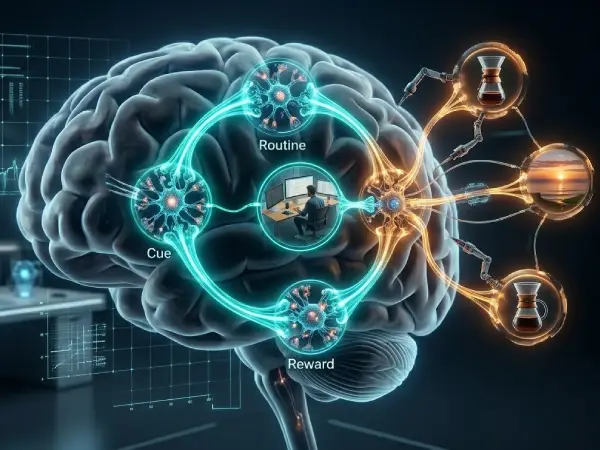
Productivity is one of the most talked-about topics in modern life. From social media advice to self-help trends, everyone seems to have a “perfect system” for getting more done in less time. But much of this advice is based on myths—not science.
The truth is, real productivity is not about working harder or squeezing more hours into your day. It’s about understanding how your brain actually works and aligning your habits with it.
Let’s debunk 5 common productivity myths and uncover what science really says about getting things done.
1. Myth: Multitasking Makes You More Productive
Many people believe multitasking helps them get more done. In reality, neuroscience shows the opposite. Your brain doesn’t truly multitask—it switches rapidly between tasks, and every switch reduces efficiency.
This constant switching increases mental fatigue and lowers accuracy.
Science says: Focused, single-task attention produces higher quality work and faster completion.
What to do: Work on one task at a time until completion or a clear stopping point.
2. Myth: Motivation Comes Before Action
A common belief is that you need motivation to start working. But psychology shows that motivation often comes after action begins, not before.
Waiting for motivation leads to delay and procrastination.
Science says: Action triggers motivation, not the other way around.
What to do: Start with a small step—even if you don’t feel like it.
3. Myth: Longer Hours Mean More Productivity
Working longer hours does not automatically increase output. In fact, cognitive performance drops significantly when the brain is overworked.
Burnout reduces creativity, focus, and decision-making ability.
Science says: Rested brains outperform overworked ones, even with fewer hours.
What to do: Use focused work sessions with regular breaks instead of long, exhausting hours.
4. Myth: Willpower Is Enough to Stay Productive
Many people rely on willpower to stay consistent. However, neuroscience shows that willpower is a limited mental resource that gets depleted throughout the day.
Relying on it alone leads to inconsistency.
Science says: Systems and habits are more reliable than willpower.
What to do: Build routines that reduce the need for constant decision-making.
5. Myth: Busyness Equals Success
Being busy feels productive, but it often hides inefficiency. Many tasks we do daily don’t actually contribute to meaningful results.
Busyness can create the illusion of progress without real impact.
Science says: Output quality matters more than activity volume.
What to do: Focus on high-impact tasks that move you closer to your goals.
Final Thoughts
Most productivity struggles don’t come from laziness—they come from following outdated or incorrect beliefs about how productivity works.
Once you understand how your brain actually functions, you can stop fighting against it and start working with it.
True productivity is not about doing more—
it’s about doing what matters, with clarity and focus.